
The Kenté
the history of a people …

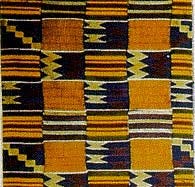
The Kente cloth with its rich and bold colours was brought to Ghana around the 17th century by Chief Oti Akenten (from whose name Kentederives – “basket” in Twi) , who was known for establishing the trade routes in Ghana and bringing the Asante Empire various items . The Kente was then presented to King Osei Tutu of the Ashanti empire , King Tutu hand-picked weavers from villages in Ghana to weave the individual strips into large pieces of cloth. It became more popular during the 1700s by the Ashanti kings and queens in the Ashanti empire.
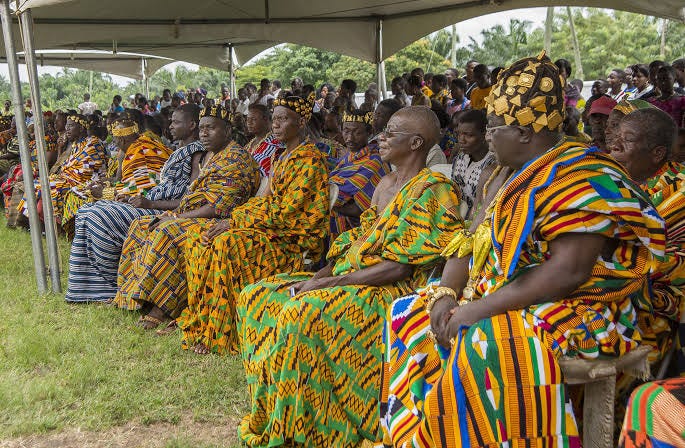
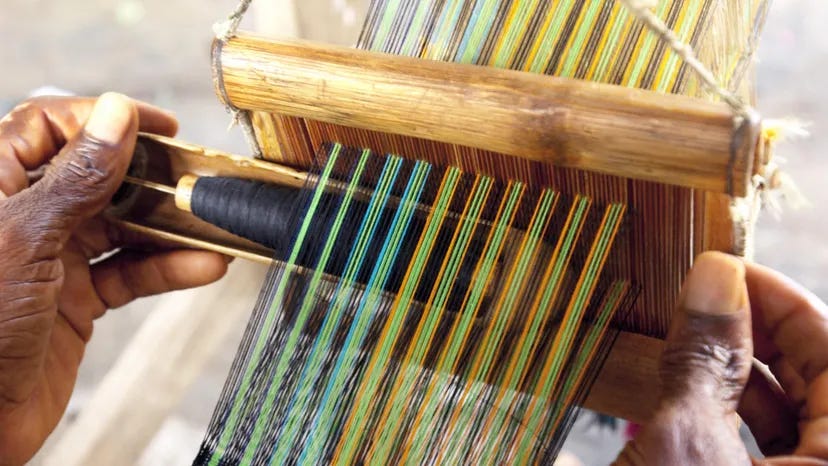
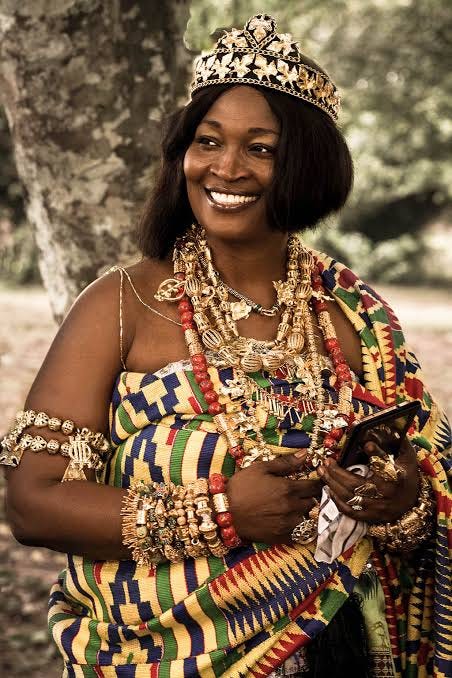
the Kente’s symbolises more than just being a traditional wear , it symbolises the history and values of the Ghanaian people . It also symbolises wealth and royalty, the colours on the kente have different representations . Yellow represents things that are holy and precious. Red represents strong political and spiritual feelings. Green represents growth and good health. Black represents strong spiritual energy and the spirit of one's ancestors.
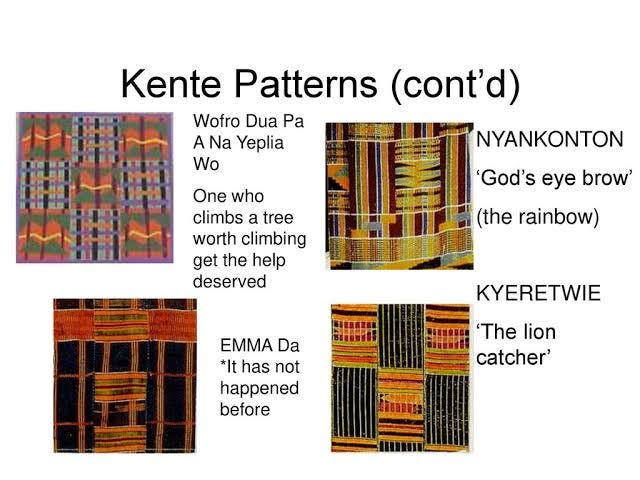
Patterns and symbols woven onto the Kente fabric -
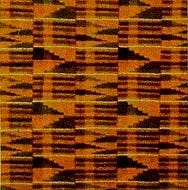
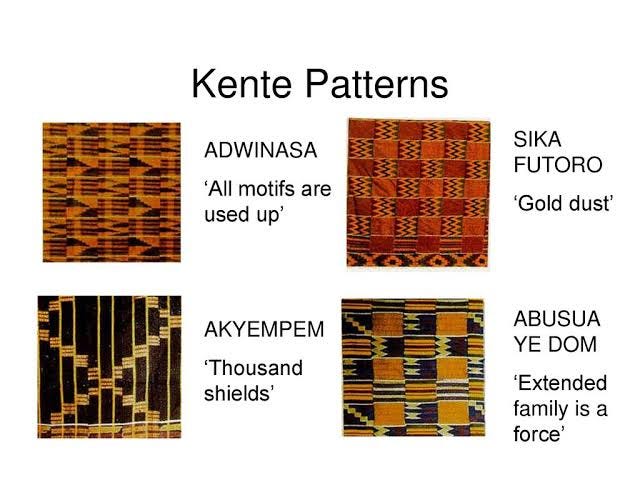
Adwinasa- which translates to all motifs are used up, this name was derived when the designer in attempts to appease the Asantehene(King) of the time used up all the motifs known to weavers at that time and was therefore referred to as the highest quality and most prestigious Kente style made apart from the other style made for Kings . Although, the Adwinasa was mainly worn by Kings only in the past
.
OBAAKOFO MMU MAN- this translates to one person does not rule a nation. Highlighting the Akan , rule of government based on participatory democracy. The nine squares represent MPUANKRON (nine tufts of hair) a ceremonial hair cut of some royal functionaries in-charge of helping rulers make decisions. The cloth was originally named FATHIA FATA NKRUMA “Fathia is a suitable wife for Nkrumah.” Nkrumah being the first elected president of Ghana who was over thrown by the military m the significance of the Mpuankron was to reflect the political situation at the time .
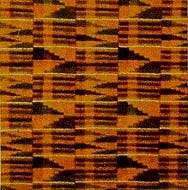
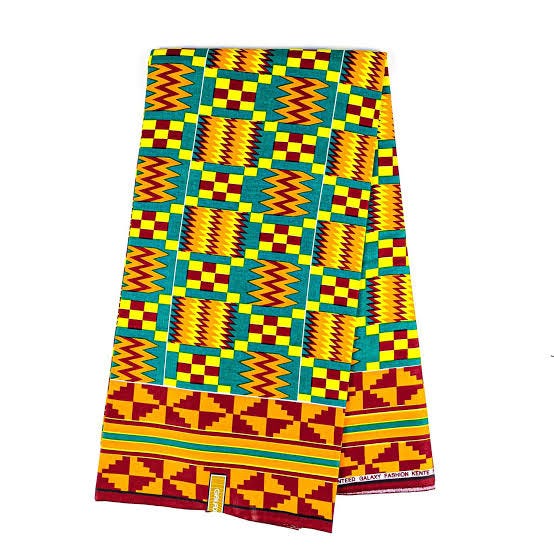
SIKA FUTORO - translates to gold dust due to the use of coins and paper as a monetary tool, gold dust was used as a way to exchange items amongst the Akan people which was considered a symbol of wealth. The use of detailed textured patterns in yellows, orange and reds replicate the visual characteristics of gold dust
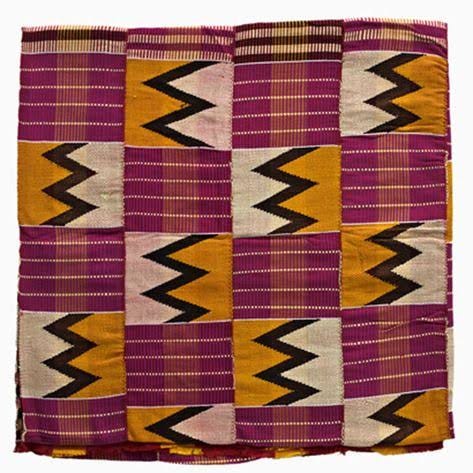
ABUSUA YE DOM - translates to the extended family is a force , the Akan people believe the extended family is the foundation of society. Each member responsible for the well being , protection and social security of each other in the family, just as in a military force. The cloth was designed to highlight the positive aspects of the extended family unit.
We hope you enjoy this read ,
Let us know your thoughts in the comments !
Yours Truly,
Fatuméé.